A cheap rug is a floor covering sold below standard retail, usually because of seasonal turnover, overstock, or a size that sat too long in one warehouse. The quality gap between these and full-price pieces is often imaginary; the same wool face and hand-finished edging show up in clearance bins at up to 80% off. The real task is knowing why a particular rug landed there before the best sizes disappear.
Clearance Rugs
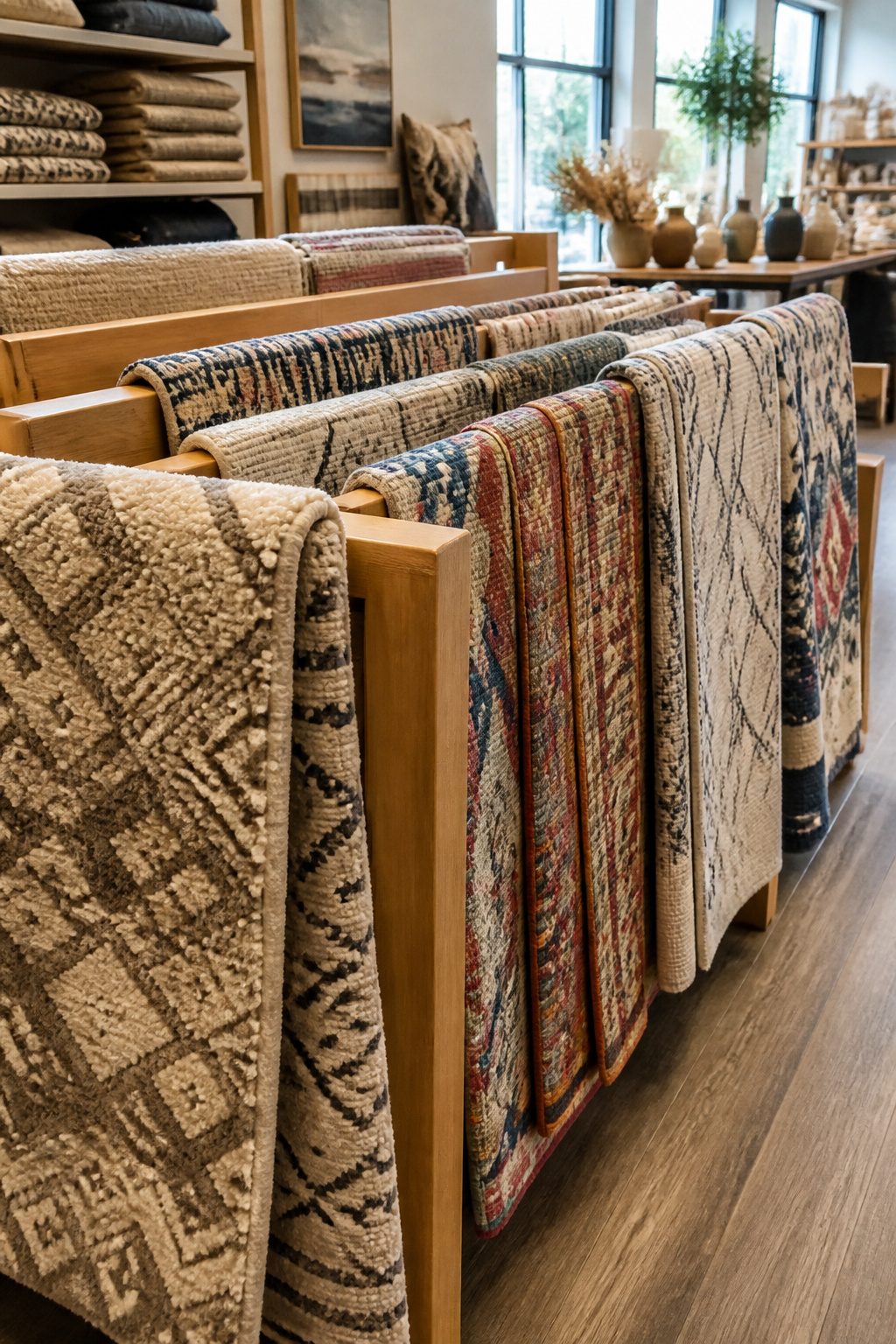
Clearance racks are where the steepest discounts hide, and rugs are no exception. Retailers like Rugs.com run up to 80% off on clearance stock, with free shipping layered on top. The catch is knowing why a rug lands there in the first place.
Seasonal shifts are the big driver. A wool rug that reads autumnal in July gets pushed out for incoming stock. Size mismatches matter too; a 9′ x 12′ living room piece that sat unsold in one market becomes clearance bait in another. Overstock from cancelled orders or slight color variations that didn’t match the main run also end up discounted, even when the weave itself is fine.
What you actually find runs the gamut: tribal patterns, shag piles, outdoor synthetics, even wool. The 80% off figure applies to select pieces, not the whole section, and the best sizes go fast. My move is checking clearance first before browsing full price, since the quality gap is often imaginary and the price difference is real.
Affordable Area Rugs
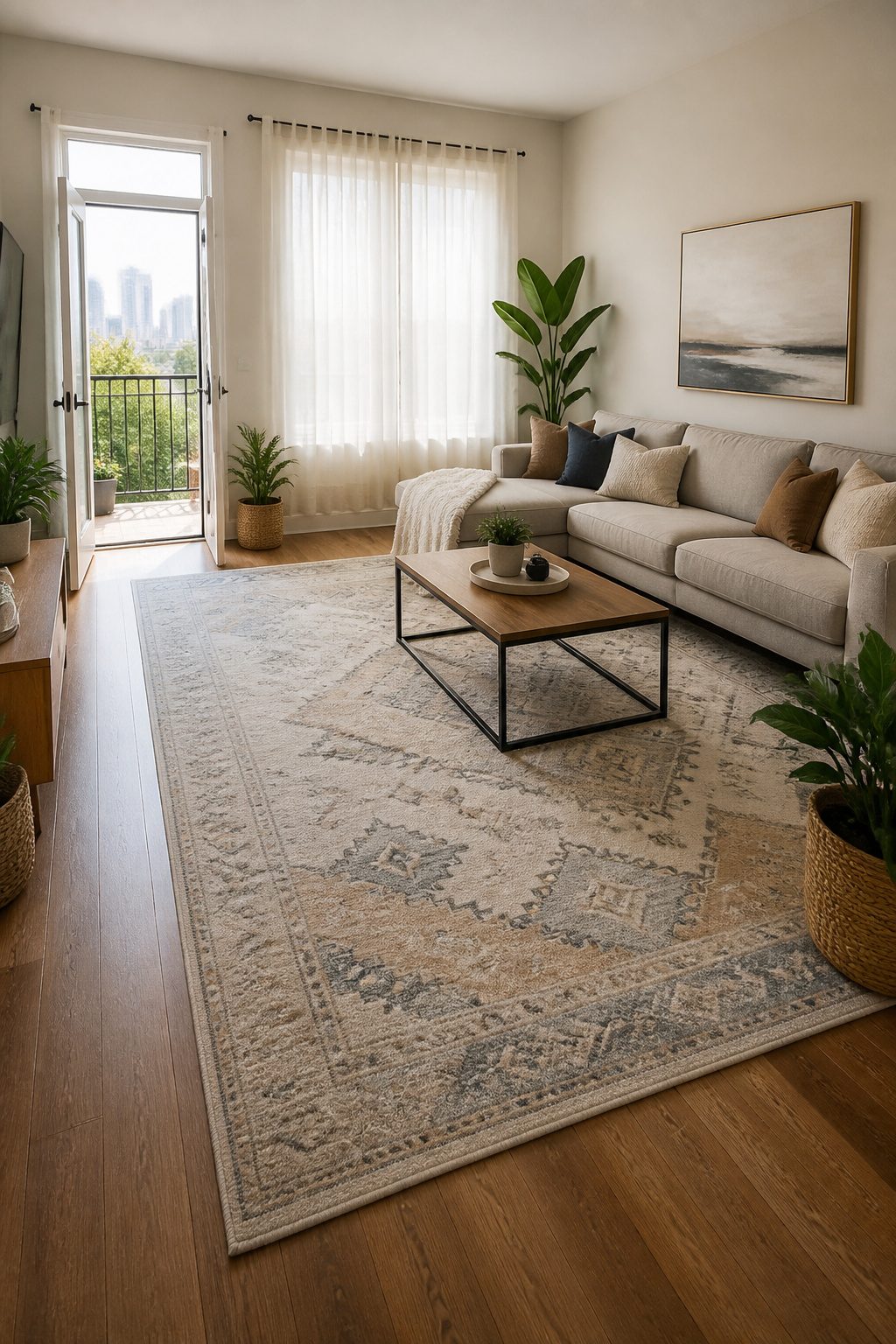
Affordable area rugs sit in a price band that is wider than most shoppers expect. The range I keep seeing runs from $53 up to $1,167, with the sweet spot for a real room-anchor landing closer to the middle. The 8’3" x 11’3" rug at $281 is the kind of buy that makes sense to me: large enough to actually define a living space, cheap enough that you are not afraid to live on it.
Thin rugs on carpet usually annoy me, but some of these lower-priced weaves work better than their price suggests. A 7’5" x 9’6" size under $247 covers the footprint without looking like a placeholder. The runner versions hold up too, which matters if you are trying to tie together a hallway or kitchen galley on the same budget.
What separates the usable cheap rugs from the ones you regret is the edge finish and whether the pattern reads as intentional from five feet away. Hand-finished edging shows up even in this bracket if you sort carefully. The rest is about knowing where you will place it: high-traffic zones want flatweaves or low-pile synthetics that shrug off shoes and pet paws, while bedrooms can handle something softer underfoot.
Budget-Friendly Rugs
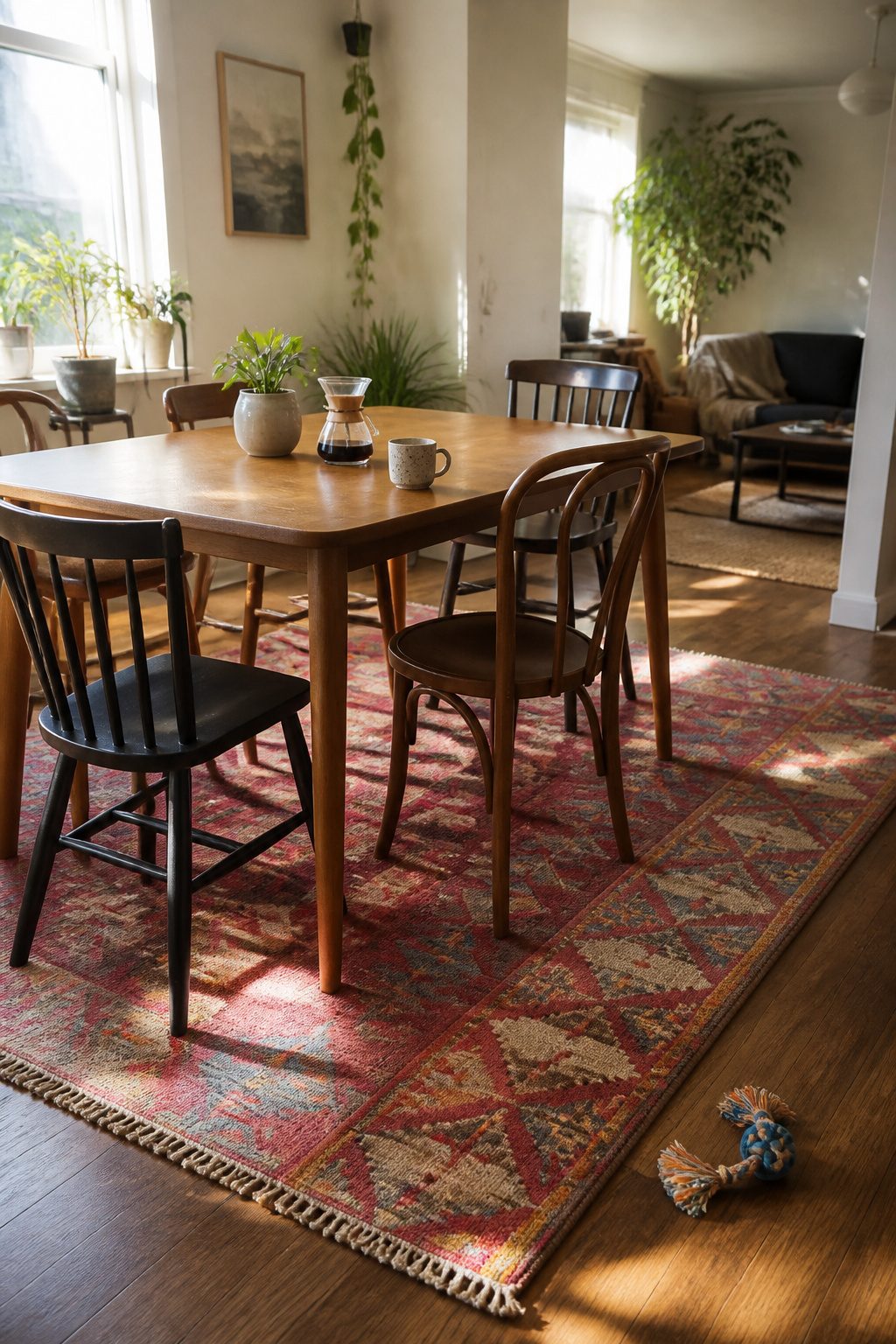
The difference between a cheap rug and a genuinely budget-friendly one usually shows up in the backing first. A rug priced at clearance levels, say 80% off, can still carry a wool face and proper edge binding, but the lowest price points often swap in latex or spray-bonded secondary layers that crack within two years. I look for hand-finished edging even on synthetics; it is the detail most brands drop first when they are racing to the bottom.
Materials tell the real story. Recycled polyester and tightly woven flatweaves hold up in high-traffic spots for a fraction of wool’s cost, but a "soft touch" label on an ultra-cheap polypropylene rug usually means a high-pile construction that mats down fast. Jute and cotton read as earthy and premium, yet both shed fibers and stain readily without the treatment budget lines skip.
Value shows up where brands invest in one good feature rather than faking several. A machine-washable synthetic with a thin, non-slip backing is honest about what it is. A rug that promises "hand-tufted construction" at a throwaway price is probably cutting pile density or using lower-grade dyes that run. The tradeoff I accept: budget rugs work best as seasonal layers or renter solutions, not heirloom pieces. Buy the construction that matches the actual room’s rhythm, not the aspiration.
Outdoor Rugs
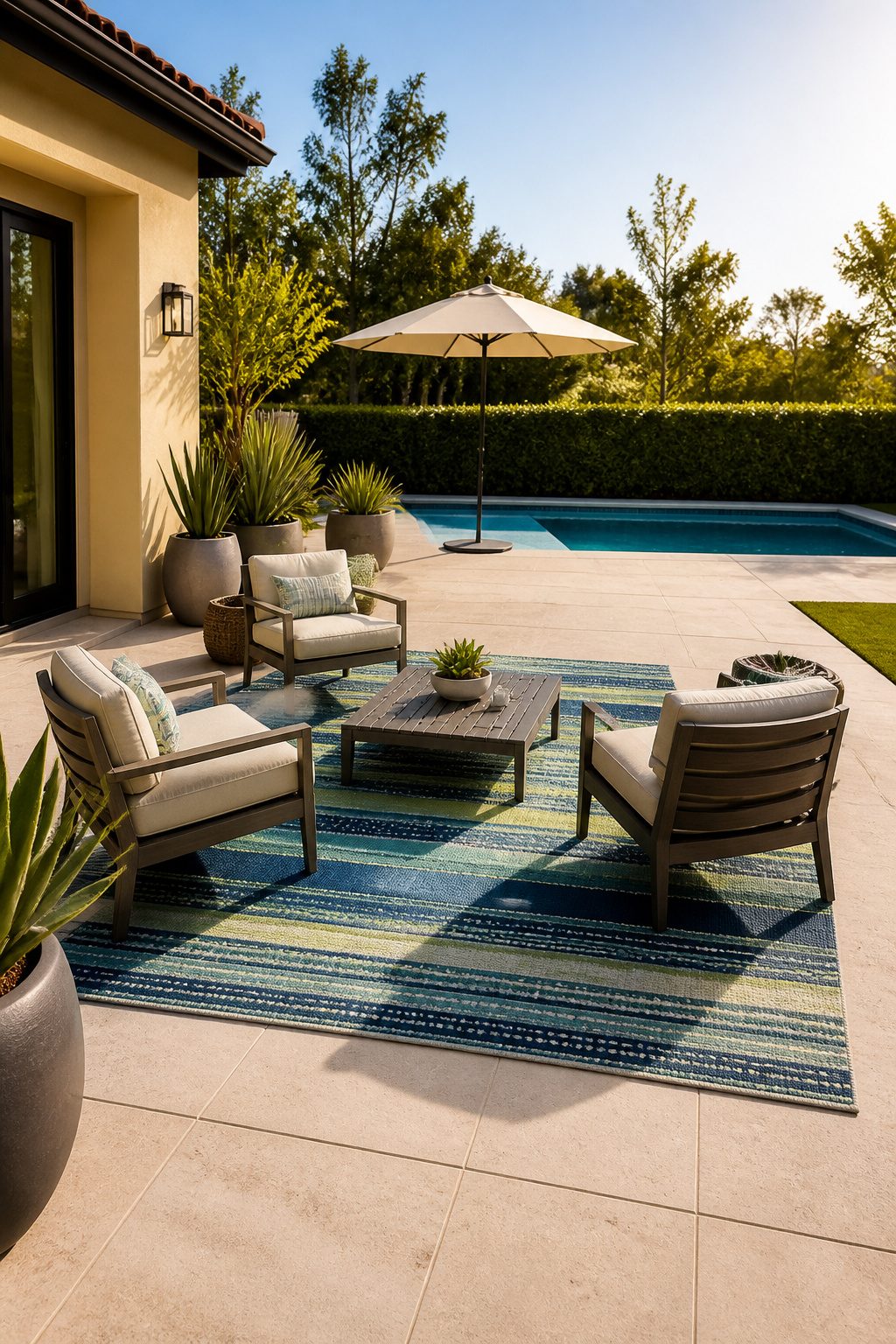
Polypropylene and PET, the plastics most outdoor rugs are woven from, shrug off rain and sun bleach better than wool ever could. That same synthetic makeup is what keeps the price low; you’re not paying for fiber that took years to grow or months to spin. An outdoor rug under a hundred dollars often outlasts an indoor wool piece at triple the price if both sit near a slider that gets opened all summer.
The catch shows up in texture. These fibers feel stiffer underfoot, and the weave tends toward flat and thin rather than plush. For a dining patio or a deck lounge where shoes stay on, that trade lands fine. Moved inside to a nursery or a bedroom, the same rug reads utilitarian fast.
Placement matters more than the label suggests. A covered porch sees less abuse than open yard, so a cheaper outdoor rug there performs longer than the price implies. By a pool or in full sun, the UV stabilizers in mid-grade options pay back within a season or two against budget lines that chalk and crack. The savings make sense when the location is harsh and the look is secondary; for a front door that greets guests, spending the same money on a smaller indoor piece usually wins.
Washable Rugs
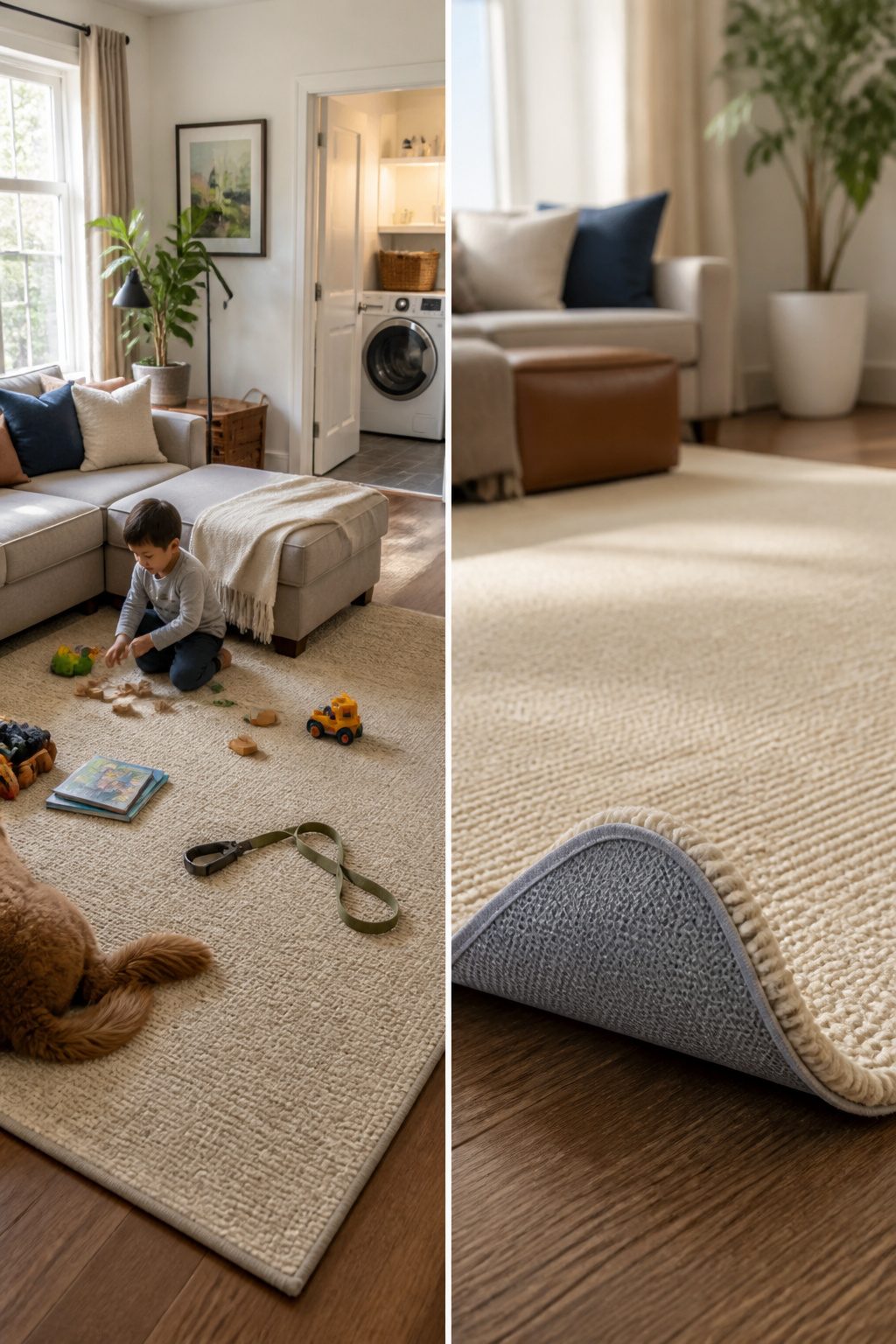
Machine-washable synthetics like recycled polyester are a godsend for busy households, and that is where washable rugs earn their place as the smartest cheap option for anyone with pets or children. The first time a dog tracks mud across the living room or a toddler flips a cup of juice, the difference between a rug that can go straight into the washer and one that needs professional cleaning becomes the difference between a manageable afternoon and a ruined weekend.
Flatweaves and low-pile constructions in these materials shrug off the wear that would destroy a delicate hand-knotted piece in months. They resist stains, hold their color, and come out of the dryer ready to lie flat again. For renters or anyone who moves frequently, the low replacement cost means you are not marrying a floor covering for a decade. You buy it for this apartment, this season, this phase of life, and replace it when the phase shifts.
The look has improved, too. The best budget washable rugs now come in neutrals that ground furniture without shouting, and in subtle patterns that hide the inevitable spot between washes. They are not heirlooms. They are workhorses that happen to photograph well, and for households where the alternative is no rug at all, that is exactly the right trade.
Runner Rugs
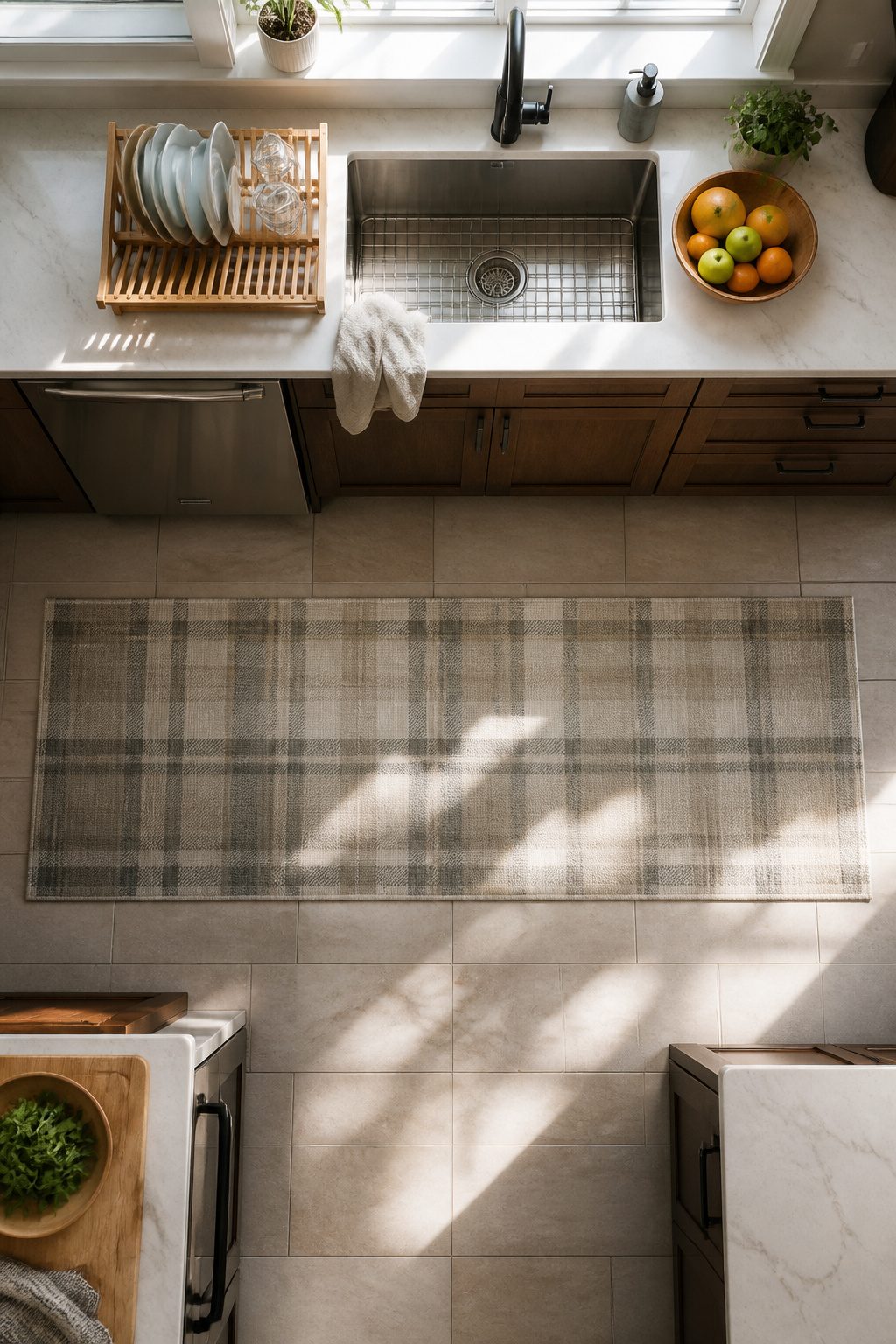
Runner rugs stretch your dollar because the narrow format simply uses less material. A 2’6" x 10′ kitchen runner runs about $84, which lands well under the cost of a full area rug in the same collection, where an 8′ x 10′ sits at $268. That smaller footprint makes runners the natural place to start when you’re hunting cheap rugs that still look intentional.
Kitchens eat up runners fastest. The one I kept longest had a grippy rubber backing and a washable face, both non-negotiable in a space where spills happen before coffee. When I swapped it for a neutral plaid at 2’7" x 10′, the lack of backing meant sticky grip pads underneath, about $10 extra but still cheap insurance against sliding on tile. It laid flat inside a day.
Hallways and laundry rooms follow the same logic: long, high-traffic paths that don’t need width. The cost stays low because you’re buying linear feet, not square.
Jute Rugs
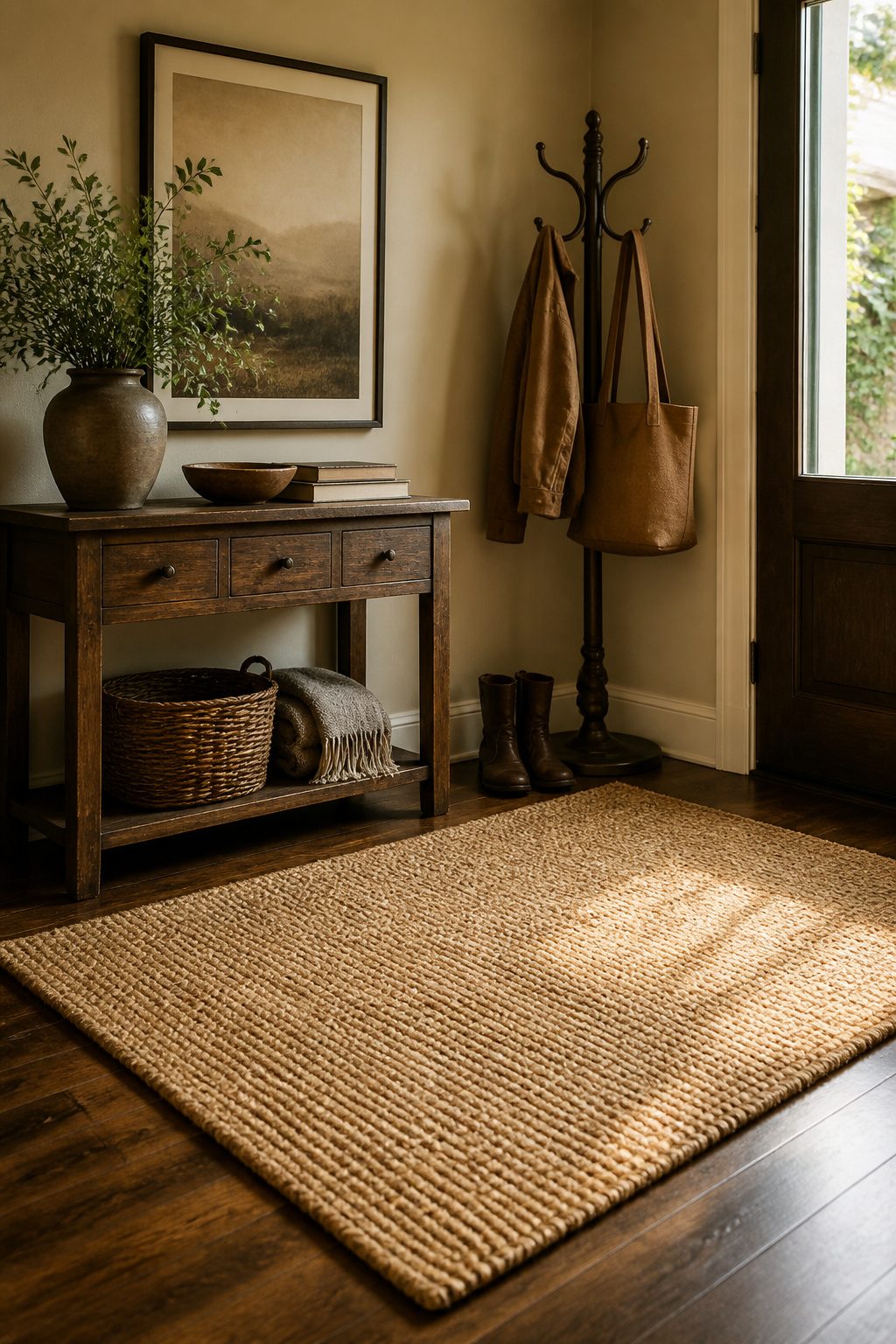
Jute rugs sit at the lowest price point in the natural fiber category, and the trade is texture for resilience. The weave feels coarse underfoot, almost like a dry grass mat, which makes it ideal for entryways where shoes stay on but disappointing beside a bed where bare feet land first thing in the morning. The color tends toward warm tan and sand, with the sand reading slightly lighter against pale floors.
What separates the usable jute rugs from the frustrating ones is backing. Most shed and slide on hard surfaces, but the rare jute rug with rubber backing stays put in high-traffic zones and sheds less under the abrasion of daily boots and paws. Without it, plan to add a separate non-slip pad, which pushes the total cost closer to mid-range synthetic options.
The material stains. Wine, coffee, and muddy prints do not lift easily from the porous fiber, so jute succeeds in low-risk zones like guest rooms or formal living areas that see more visual traffic than foot traffic. It fails in kitchens, mudrooms, and anywhere children eat snacks. For the price, the look is honest and grounding, but the maintenance asks more than the tag suggests.
Shag Rugs
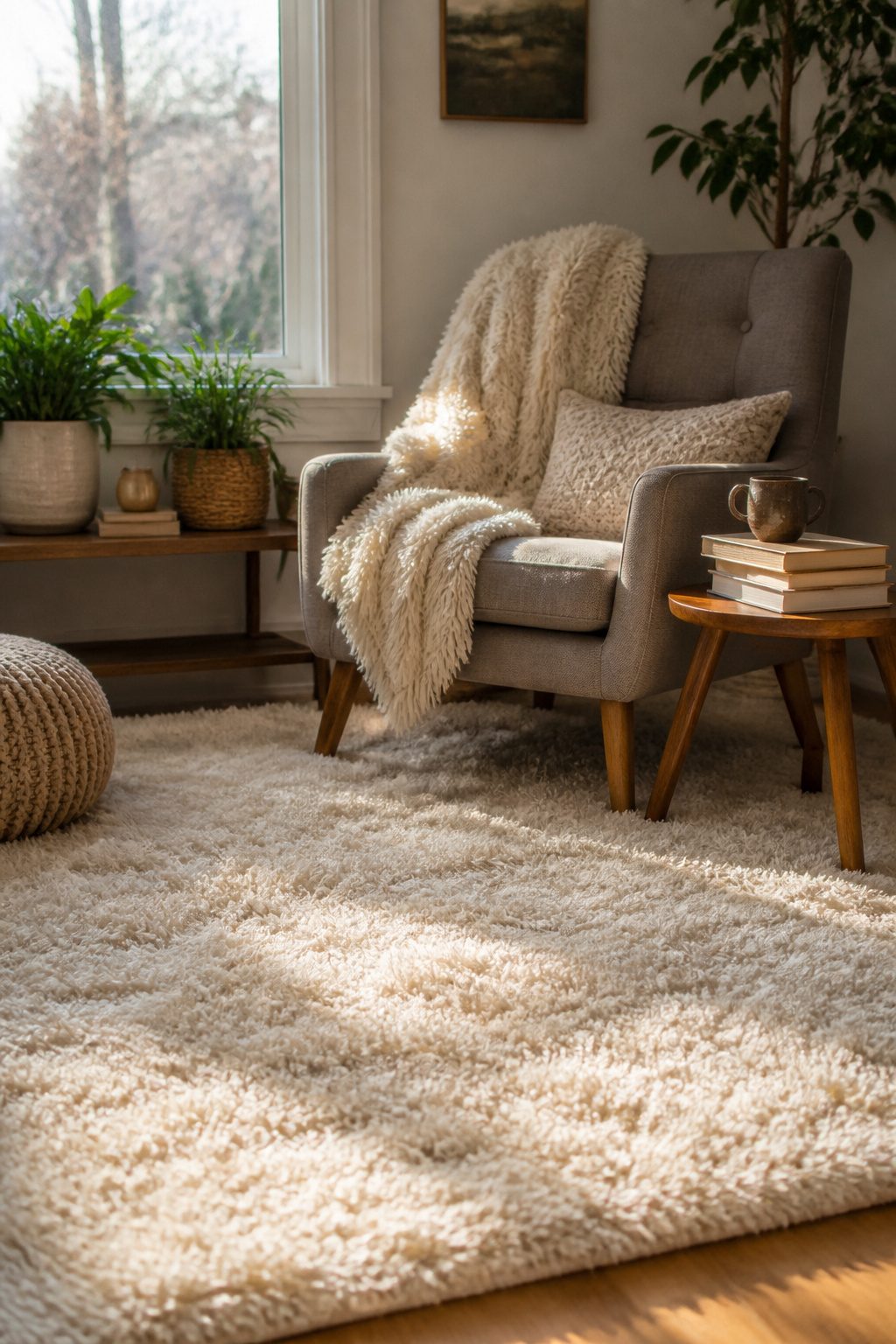
Shag rugs are the texture you notice first, and for anyone hunting cheap rugs that still feel like something, that pile matters more than pattern. The LoLoi CloudPile rug lives up to its name: an 8’3" by 11’3" size runs about $281, which is nearly unheard of for that much coverage, and the surface is the softest rug you’ll ever feel. Guests will take their shoes off without being asked.
That softness comes with a trade. Long fibers trap everything, pet hair especially, and vacuuming takes more patience than a low-pile flatweave. A rug pad underneath helps the thing stay put and adds cushioning, but it will not save you from the maintenance. Shag works best in low-traffic corners where you actually want to sink your feet into something: beside the bed, under a reading chair, anywhere the coziness justifies the upkeep. Skip it for the dining room or a hallway that sees daily grit.
Quality vs. Price
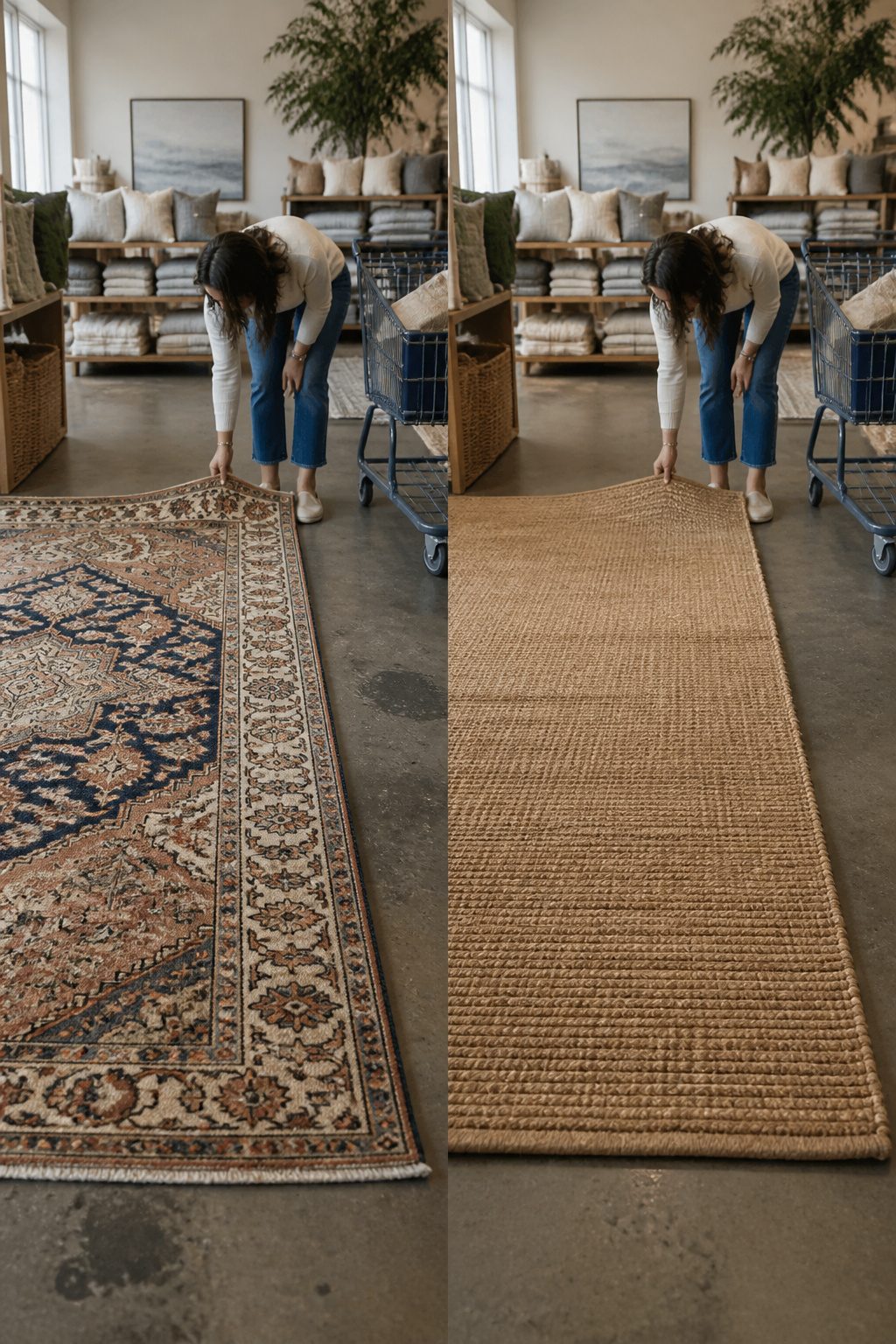
A clearance rug at up to 80% off still needs to pass the same tests as one at full price. Rugs.com puts it plainly: cheap rugs don’t mean cheap quality. The trick is knowing where to look before the price tag tells you what to think.
Construction is the first place to check. Flip the rug over and look at the backing. A woven or hand-tufted base holds together longer than glued-on felt, no matter what the front pattern promises. Pile density matters next: press your fingers through the fibers to the backing. If you feel the floor immediately, traffic will crush that rug flat within a season. Dense pile springs back.
Edge finishing separates the ones that last from the ones that fray. Binding or serging along the sides beats a simple cut edge, especially in high-traffic spots or homes with pets. One blogger learned this over ten years of Wayfair replacements after dog-related incidents, eventually valuing budget-friendly rugs precisely because swapping them out stopped feeling catastrophic.
Style and durability can coexist at clearance prices. The neutral-toned conversation room rug that ran $194 for a 6’x9′ came thick enough to skip the pad, hid imperfections under a subtle pattern, and offered 32 sizes. That kind of value exists, but only if you inspect the build rather than trusting the discount alone.
Material Choices
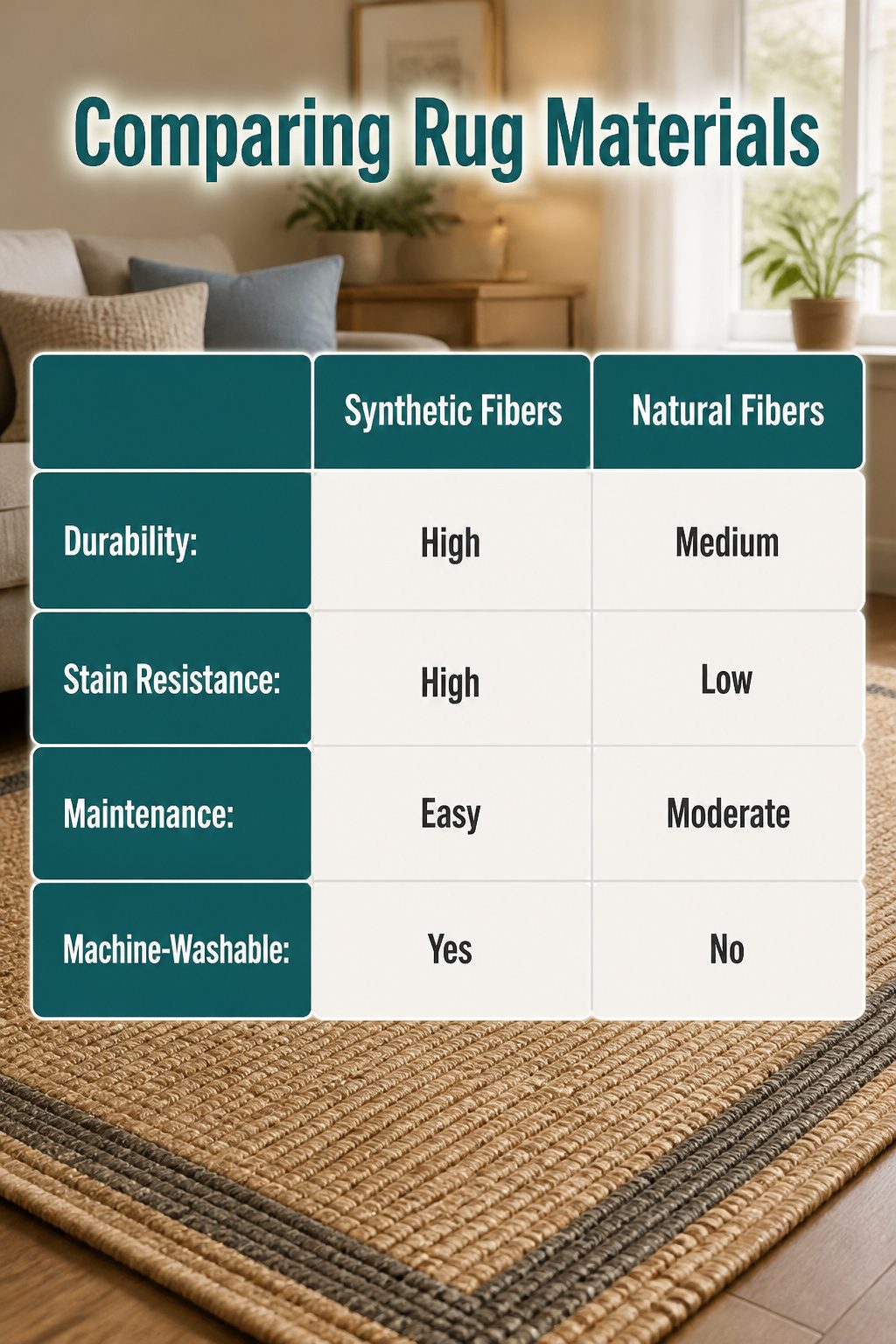
Synthetic fibers usually win the durability contest for cheap rugs that see real traffic. Polypropylene and nylon shake off spills and foot traffic without the price tag of wool, which matters when the dog tracks mud through the front door or the kitchen rug lives under a leaky coffee maker. A jute-type weave with rubber backing handles entryways better than standard jute, which tends to slide and shed; the backing keeps it planted and catches the grit before it spreads to hardwood.
Natural fibers bring a warmth that plastic can’t fake, but they ask more of the owner. Jute stains rather than shrugs them off, and it likes dry rooms, not bathrooms or covered patios where dampness lingers. The 2’6" × 10′ runner size that works for kitchens needs a grippy underside more than it needs organic texture, because a rug that skates on tile is a hazard, not a feature.
Machine-washable recycled polyester solves the problem both materials create: it goes flat into a standard washer and dryer, so the kitchen runner that caught last night’s red sauce is clean by breakfast without a trip to the dry cleaner. The mix of warm and cool neutrals in these weaves also means they drop into spaces that already hold both wood tones and gray cabinets without fighting either. For households that cook daily or have the kind of dirt that comes with dogs and seasons, that washability is not a nice extra. It is the reason the rug lasts past the first year.
Size Options
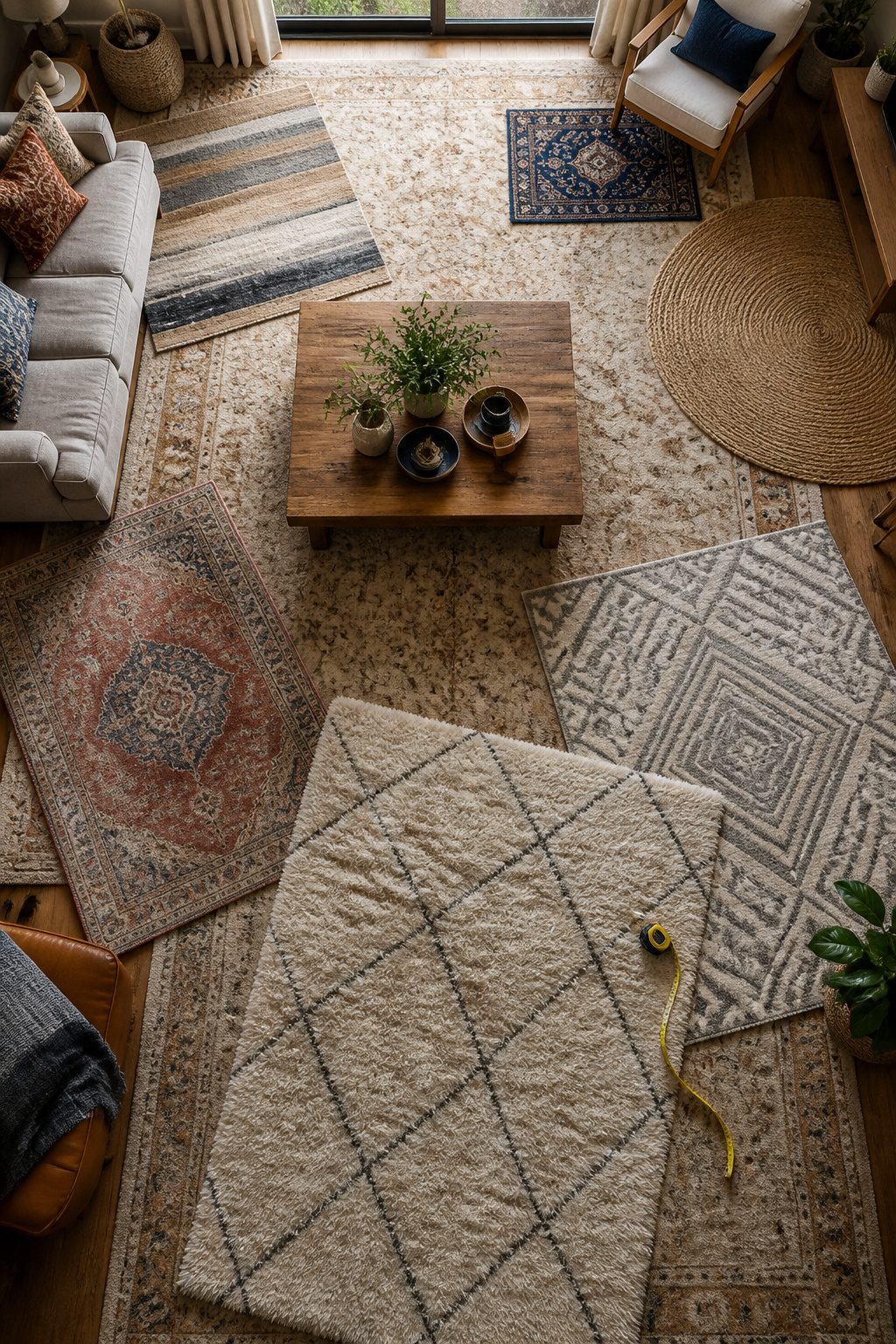
A 2×3 mat by the kitchen sink and a 12×15 palace rug under the dining table are both filed under cheap rugs, which is where the measuring tape earns its keep. I learned this after ordering a 5×8 I was sure would anchor my living room; it floated in the space like a postage stamp, and the 8×10 I swapped it for finally let the front legs of the sofa rest on something solid.
Standard sizes run 1×2 to 12×15 for rectangles, with runners stretching 4 ft to 14 ft long and rounds starting at 1 ft and topping out at 11 ft. A 9×12 or 10×13 reads as large in most rooms, while 5×7 and 6×9 cover what retailers tag as medium. The trick is mapping your furniture, not your floor: in a bedroom, the rug should extend 18 inches past the sides of a queen bed so you step onto it cold, which usually means at least 8×10. In a narrow hallway, a runner 6 ft or 8 ft long keeps traffic centered without fighting the walls.
Squares and rounds break the rectangle habit. A 6 ft or 8 ft round under a circular table rounds the corners of a small breakfast nook, and 7 ft or 8 ft squares work when the room itself is boxy. Hearth sizes like 2×4 or 3×6 exist for fireplace inserts, though I have seen them repurposed as bath mats with more success than the manufacturers probably intended.
The clearance filter on Rugs.com lists 28 size options for some patterns and two for others, so the cheap rug you want may not exist in the dimensions your room demands. Measure first, then hunt; the other order costs a return label and a week of looking at bare floor.
Frequently Asked Questions
What types of rugs are available for cheap?
Clearance rugs, affordable area rugs, outdoor rugs, washable rugs, runner rugs, jute rugs, and shag rugs all show up at low price points. Clearance sections run up to 80% off and include wool, tribal patterns, shag piles, and outdoor synthetics. Washable synthetics and flatweaves hold down the budget end while still handling pets and high traffic.
How do I choose a quality rug on a budget?
Flip the rug and check the backing first. Woven or hand-tufted bases outlast glued felt, and hand-finished edging beats cut edges that fray. Press your fingers through the pile; if you hit floor immediately, traffic will crush it flat within a season. Dense pile springs back. The best cheap rugs invest in one solid feature rather than faking several.
Are washable rugs worth it?
Yes, for households with pets or children, washable rugs are the smartest cheap option. A rug that goes straight into the washer saves a manageable afternoon instead of a ruined weekend. Flatweaves and low-pile synthetics resist stains, hold color, and come out of the dryer ready to lie flat again. They work best as seasonal layers or renter solutions rather than heirloom pieces.